The Great Grid Upgrade
28th January 2026
Why Power Transmission Recruitment Is The Real Bottleneck In The UK’s Net Zero Ambitions
The UK’s transition to Net Zero is often framed around renewable energy generation, including offshore wind, solar farms, battery storage and low-carbon technology.
But from an energy recruitment and workforce perspective, the biggest constraint we see across the market is not generation capacity.
It is power transmission and distribution, and the growing shortage of specialist skills required to upgrade and operate the UK’s electricity grid.
This is where delivery risk is quietly building.
What Is The Great Grid Upgrade?
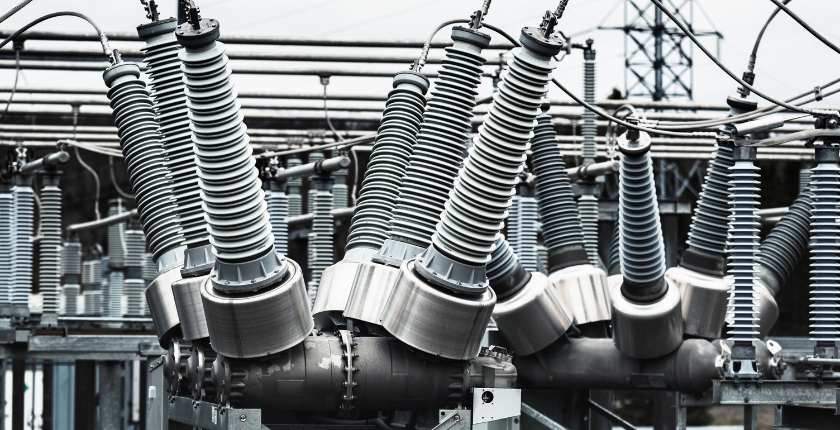
The Great Grid Upgrade is a major, long-term programme led by National Grid to modernise the UK’s electricity transmission network so it can carry significantly more renewable energy across the country.
According to National Grid, the programme is required because:
“The existing electricity network does not have the capacity to transport the volume of energy that will be generated offshore and in other remote locations.”National Grid
The upgrade includes:
- New and upgraded high-voltage overhead lines
- Substations and grid connection infrastructure
- Reinforcement of the onshore transmission network
- Enabling renewable energy to move from generation sites to demand centres
From a recruitment viewpoint, this work underpins every offshore wind, solar, EV charging and battery storage project currently being developed.
Where The Pressure Is Building
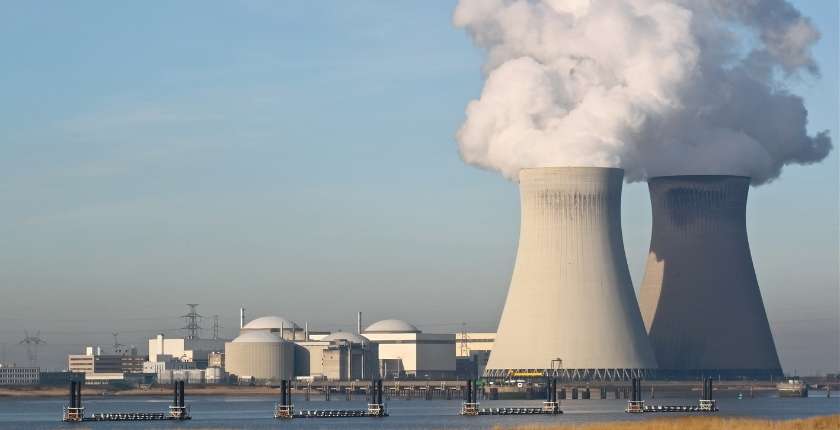
Across the UK, renewable generation is accelerating, but grid capacity is not keeping pace.
From a recruitment standpoint, this has created a clear bottleneck:
- Projects are approved and funded
- Assets are being delivered
- But the people and infrastructure required to connect, upgrade and operate the grid are in short supply
This mismatch is driving unprecedented demand for power transmission recruitment.
Who Is Involved In The Great Grid Upgrade?
Through recruitment activity, we see a wide and interconnected delivery ecosystem, including:
- National Grid and transmission framework partners
- Engineering consultancies designing overhead lines and substations
- Main contractors delivering transmission and distribution infrastructure
- Distribution Network Operators (DNOs)
- Independent Connection Providers (ICPs)
- Solar, EV charging and battery energy storage developers
“Delivering the Great Grid Upgrade will require unprecedented levels of collaboration across our supply chain.” National Grid
Each organisation relies on highly specialised, safety-critical professionals, many of whom are already working at capacity.
The Roles Most in Demand Across Power Transmission & Distribution
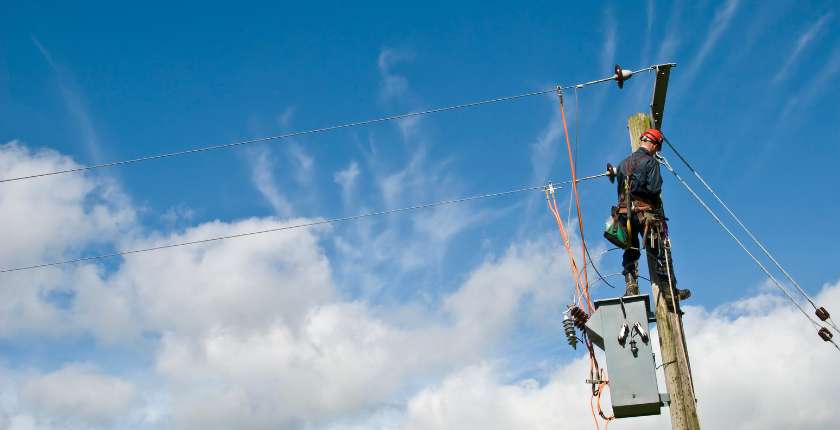
One of the clearest signals we see through hiring activity is where demand consistently outstrips supply. The most recruited-for roles in power transmission and distribution include:
Design & Engineering Roles
- Overhead Line (OHL) Design Engineers
- Protection & Control (P&C) / Substation Secondary Design Engineers
- HV Plant & Substation Layout Engineers
- Power Systems Engineers / Grid Engineers
- HV Cable Design Engineers (particularly scarce)
- Civil Engineers (substation civils, drainage, foundations)
- CAD Technicians / Designers (utilities and power experience)
Project & Construction Delivery
- Project Managers (Energy Infrastructure)
- Construction Managers
- Project Engineers
- Site Managers & Site Supervisors
- Commissioning Engineers
Commercial, Safety & Support
- Quantity Surveyors (QS / SQS)
- Commercial Managers
- Health & Safety Advisors / Managers
- Earthing Specialists
These roles are not interchangeable with general construction or engineering positions. They require direct experience in regulated electricity networks.
Why Power Transmission Recruitment Is So Challenging
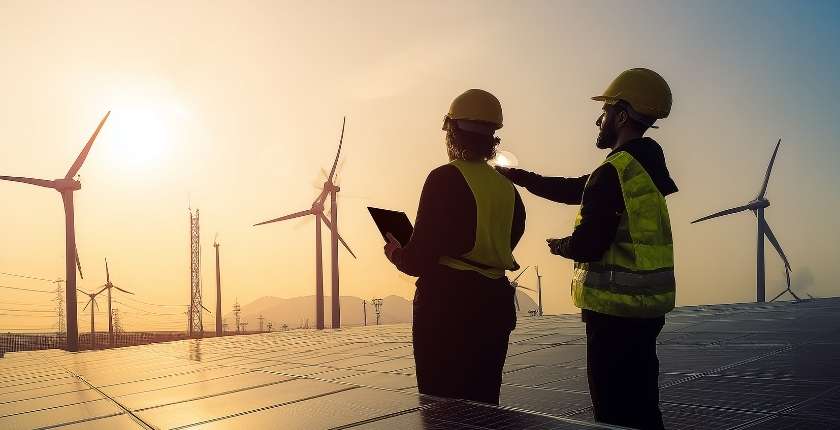
From a workforce perspective, power transmission and distribution present unique hiring challenges:
- Skills are niche and highly regulated
- Experience is not easily transferable from adjacent sectors
- Safety, compliance and delivery risk are high
- Clients have low tolerance for “nearly right” hires
The International Energy Agency (IEA) has warned that workforce constraints are now one of the biggest risks to energy transition timelines globally. International Energy Agency
This aligns directly with what we see through recruitment demand.
The Workforce Risk Behind Net Zero Targets
Research by PwC UK highlights the scale of the challenge ahead:
“The energy transition risks being constrained by a skills shortage, driven by an insufficient pipeline of skilled workers and an ageing workforce, with many expected to retire by 2030, limiting the industry’s ability to meet future demand.” PwC UK
From a recruitment perspective, the challenge is not ambition or funding, it is the availability of experienced people at the right time.
Where Advance TRS Fits In
Advance TRS is not a grid operator or energy developer, but through specialist energy and renewables recruitment, we sit between:
- Designers
- Contractors
- Network operators
- Developers
This gives us a clear view of:
- Where skills shortages are emerging
- Which roles are hardest to secure
- How hiring strategies are shifting across frameworks
- Why early workforce planning is becoming essential
We support power transmission, power distribution and energy infrastructure recruitment, providing permanent and contract solutions rooted in sector understanding and long-term relationships.
Looking Ahead
As Net Zero investment accelerates, the national conversation will increasingly shift from how much energy we generate to how effectively we move it.
From a recruitment perspective, one message is clear:
The success of the UK’s energy transition will depend on people and skills as much as policy and technology.
Advance TRS will continue to work alongside organisations delivering critical grid and energy infrastructure, helping them secure the specialist talent required to keep projects moving safely and sustainably.
Jake Jessey

Jake Jessey heads up the Energy & Renewables Sector at Advance TRS with nearly three decades of experience supporting the UK’s power, energy and renewables sectors. He specialises in delivering talent across: Power Transmission & Distribution (T&D), including Substation Design & Delivery (Primary, Secondary Protection & Control), HV Cables, Overhead Lines (OHL) & Grid Connections, Offshore & Onshore, Wind, Solar & Battery Energy Storage (BESS), Subsea HV & Marine Energy Projects. Jake partners with contractors, consultancies and asset owners to secure scarce, safety-critical skills, while supporting engineers and delivery professionals with honest advice, market insight and long-term career guidance.
If you’re a candidate considering a change, or a client looking to recruit, Jake would love to speak with you about the market, current opportunities and how Advance TRS can support you. Get in touch. To view our latest jobs in this sector, click here.
FAQs
The Great Grid Upgrade is National Grid’s programme to upgrade the UK’s electricity transmission network so it can carry more renewable energy, including upgrades to overhead lines, substations and grid infrastructure.
Power transmission roles are highly specialised, regulated and safety-critical. There is a limited pool of experienced professionals, and skills do not easily transfer from other sectors.
The most in-demand roles include Overhead Line Design Engineers, Protection & Control Engineers, HV Substation Engineers, Power Systems Engineers, Project Managers, Construction Managers and Commissioning Engineers.
Without sufficient grid infrastructure and skilled delivery teams, renewable energy projects can be delayed or constrained, even when generation assets are ready.
Yes. Skills shortages across energy and grid infrastructure are expected to continue due to long-term investment programmes and limited availability of experienced professionals.
Specialist recruiters understand niche power and grid roles, compliance requirements and market availability, helping reduce hiring risk on critical infrastructure projects.
Advance TRS provides permanent and contract recruitment solutions for energy, renewables, power transmission and distribution roles across the UK.
Current energy and renewables opportunities can be found on here.