What One Engineer Learned After Making the Leap

Ireland is entering one of the most significant infrastructure delivery phases in its history. With €275.4 billion committed between 2026 and 2035 under the updated National Development Plan, the country is gearing up for a decade of major capital projects across transport, healthcare, energy, water and utilities.

For skilled professionals, this isn’t just a busy market; it’s a once-in-a-generation opportunity to work on career-defining programmes that will shape Ireland for decades to come.

To help candidates understand what relocating to Ireland really looks like, we spoke with a Senior Rail Engineer who made the move from the UK and worked on major rail infrastructure projects for one of our clients in Northern Ireland. His experience offers honest, practical insight for candidates considering a similar step.

Making The Decision To Relocate

For this engineer, the move didn’t involve months of indecision. The opportunity came through a company he trusted, and the scale of work underway in Ireland made the decision easier. As he put it:

“If you get your foot in now, there will be work here for decades.”

He initially relocated on his own, allowing him to settle into the role and location without pressure. Once established, his family joined him, showing that relocation doesn’t have to be a single leap. Many candidates choose to move in stages, minimising the impact on family.

Railway

The Project Experience: High-Impact Rail Delivery

A major highlight of the move for our engineer was the project work itself. As a Senior Engineer, he was involved in delivering a large-scale rail renewal programme, including plain line track renewals, switches and crossings, and complex interface works across a mile-long viaduct, elevated approximately 15 metres above ground.

The technical challenge was significant, but what really stood out was the working environment. Engineers were actively encouraged to:

  • Propose new ideas
  • Introduce innovative construction and logistics methods
  • Collaborate closely with the client
  • Focus on efficient, cost-effective, practical delivery

New approaches were adopted, improving both efficiency and safety and engineers with delivery teams were trusted to demonstrate value and deliver. Strong collaboration between contractor, client and delivery teams created a shared sense of ownership, making the project professionally rewarding and genuinely engaging.

From a career perspective, the engineer describes it as “the kind of project that builds leadership capability, strengthens technical judgement and adds serious weight to your CV.”

Working In Ireland VS The UK

One of the biggest surprises for the engineer was how different the day-to-day working environment felt compared to the UK. While safety and standards remain high, the approach in Ireland often feels more pragmatic and streamlined.

Key differences he noticed included:

  • Speedy Decision Making: Decision-making was faster, with fewer layers of approval slowing progress, and engineers with delivery teams were trusted to apply professional judgement to the project.
  • Practical, Value-Driven Delivery: There was a strong focus on how time and money were spent, with teams actively considering practical, cost-effective solutions.
  • Broader responsibility:  In Ireland, engineers are more likely to be involved beyond their immediate remit, supporting planning, coordination and problem-solving across the project. This builds wider capability and confidence.
  • More openness to innovation – new ideas were genuinely listened to. If a better method could be demonstrated safely and effectively, it had a real chance of being adopted.
  • Less congested career pathways – Compared to the UK, senior and specialist roles felt less saturated, creating clearer progression routes for experienced professionals.

For those who value autonomy, responsibility and being measured on output rather than process, this difference was a major positive.

Working Culture: Broader Roles, Faster Growth

One key difference our engineer noticed was how engineering roles are structured in Ireland. Rather than being limited to a narrow remit, engineers are often expected to contribute across planning, coordination and problem-solving. This broader exposure helped accelerate professional development and build experience that translates well into senior roles.

Career Progression And Why People Stay

With so much work coming and a relatively small existing workforce, progression opportunities are strong. Good candidates are noticed quickly, and performance is measured by capability and contribution. For professionals who want responsibility and visibility on major programmes, Ireland offers a clear advantage.

Importantly, this wasn’t a short-term experiment. After three years working in Ireland, the engineer has no plans to move back to the UK. What started as a career opportunity has become a long-term decision, driven by meaningful project work, professional autonomy and quality of life for him and his family.

That balance, meaningful, challenging project work alongside a more grounded way of life, is what ultimately made the move work.

“What started as a career move quickly became something more. Relocating to Ireland felt “like a breath of fresh air.” Not just because of the scale of the work, but because of the pace of life around it.

Irish Living

Finding Somewhere To Live: Practical, Flexible Options

Accommodation is a common concern for candidates considering relocation. Our engineer’s advice was simple: don’t rush it. He initially stayed in short-term accommodation, giving him time to understand commute patterns and local areas before committing to longer-term housing.

Candidates should be aware that without an Irish rental history, landlords may ask for higher deposits upfront. It’s standard practice and manageable with the right planning.

One thing that caught him out initially was the local property rates. When securing a rental, he hadn’t realised that rates were not always included in the advertised cost, which meant an additional expense he hadn’t budgeted for. It’s a common setup in parts of Ireland, but something candidates should clarify early when viewing or agreeing to terms.

It’s also important to note that housing demand is expected to increase as major infrastructure programmes ramp up and more skilled professionals relocate to Ireland. This is likely to place additional pressure on availability and push prices up in key locations, particularly near major projects. For candidates considering the move, the earlier you get in, the better positioned you’ll be in terms of choice and affordability.

Working and Living in Ireland

Cost Of Living & Travel

Compared to many parts of the UK, the engineer explained that everyday costs were generally more balanced:

  • Public transport was significantly cheaper
  • Commutes were shorter
  • Travel across the country was affordable
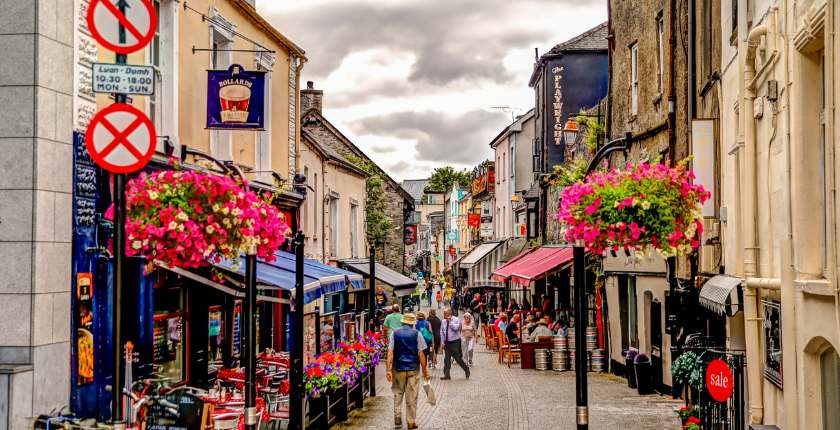
  • Smaller towns offered a strong community feel without big-city costs

“Compared to the UK, life felt slower, less crowded, and more community-focused. Smaller towns still felt lived-in, local shops and cafés were busy, and people took the time to talk. Outside of work, it was easier to switch off, travel short distances, and feel part of the place rather than just passing through it.”

Ireland Travel

Lifestyle & Community

Outside of work, lifestyle was a major positive for our engineer. Ireland offered:

  • Friendly, welcoming communities
  • Easy access to the coastline, countryside and outdoor activities
  • Less congestion and pressure
  • Everything is within a few hours’ travel

Integration was straightforward through work, gyms, sports clubs and schools, making the move feel settled quickly for him and his family.

Right To Work: What Candidates Should Know

Before considering relocation, it’s important to understand the right to work, as this depends on both citizenship and where the role is based.

In this case, our engineer worked in Belfast and holds an EU passport, along with settled status in the UK under HMRC rules, meaning he already had the right to live and work in Northern Ireland under UK rules. There was no need for visas, sponsorship or additional permissions, which removed a lot of complexity from the move and allowed him to focus on the role and settling in.

This clarity early on removed uncertainty and made committing to the move far easier. More broadly, right to work typically breaks down as follows:

  • Irish & EU citizens: No visa required to work in Ireland
  • UK citizens: Right to work in Northern Ireland under UK rules
  • Non-EU candidates: May require permits or sponsorship for roles in the Republic of Ireland

Clarifying the right to work early helps avoid delays, ensures compliance, and makes the relocation process far smoother, particularly when moving for major infrastructure projects.

Click here for more information about Right to Work in Ireland.

How Advance TRS Supported The Move

A key part of the experience was having the right recruitment support. Advance TRS worked closely with him throughout the process, from early conversations through to onboarding, ensuring expectations were clear and the transition felt supported rather than rushed.

Having a recruiter who understood both the technical demands of rail projects and the practical realities of relocating to Ireland meant fewer unknowns, honest conversations, and guidance that went beyond simply securing a role.

Who Ireland Needs Right Now

With infrastructure delivery accelerating, demand is growing across a wide range of disciplines, including:

  • Civil, Structural, Mechanical & Electrical Engineers
  • Rail, Highways & Transport Planners
  • Water & Utilities Engineers
  • Digital Engineering & BIM Specialists
  • Quantity Surveyors & Cost Managers
  • Project & Programme Managers
  • Project Controls & Planning Professionals
  • Commercial & Contract Managers
  • HSQE, Compliance & Assurance Specialists

Interested in working on Ireland’s major rail and infrastructure projects?

Register your interest early to stay ahead of the market and be first to know when roles go live. With demand increasing and opportunities moving quickly, early conversations make all the difference. Registering interest doesn’t commit you to a move, it simply keeps you informed and ahead of demand.

To view our latest jobs in Ireland, click here or have a chat with our team.

Ireland is entering one of the most significant periods of infrastructure investment in its history. Under Project Ireland 2040, the Government’s long-term capital development strategy, the national ambition is clear: build a better, more connected Ireland for all.

As the population grows and evolves, that ambition becomes even more vital. The Government is focused on delivering the infrastructure needed to support economic growth, strengthen communities, and provide modern, fit-for-purpose public services.

With the Irish Government committing €275.4 billion between 2026 and 2035 under the updated National Development Plan, the next decade will reshape Ireland’s transport, healthcare, education, energy, water infrastructure, and regional development.

A total of €3.5 billion has been earmarked for energy projects, €12.2 billion for the water sector and €24.3 billion for the transport sector, including low-carbon transport projects.

These massive infrastructure projects require talented candidates to design, plan, implement and build these projects.

This blog explores what is coming, why demand for skilled professionals is rising fast, and how candidates can position themselves for the best opportunities in Ireland’s rapidly expanding market.

Irish Transport Infrastructure

Ireland’s Infrastructure Pipeline: What’s Coming?

Transport Mega-Projects

Ireland is preparing to deliver some of the most ambitious transport schemes it has ever undertaken, including:

  • Metrolink Dublin is set to become Ireland’s first metro system and the largest transport project in the nation’s history, with costs estimated between €7.16 – €12.25 billion.
  • National road upgrades, including new bypasses and motorway improvements, with an estimated investment of around €3 billion.
  • Irish Rail modernisation, including electrification through DART+ West, South West and the coastal North and South corridors, alongside regional improvements, fleet expansion and major station upgrades, with the Dart + project expected to represent between €1.2 and €2.5 billion investment.

These projects will transform how people move across the country, and they will require thousands of engineers, planners, managers, commercial specialists, and construction professionals.

Irish Water Infrastructure

Energy, Water & Utility Infrastructure

Ireland’s national utilities are undergoing a large-scale transformation, supported by:

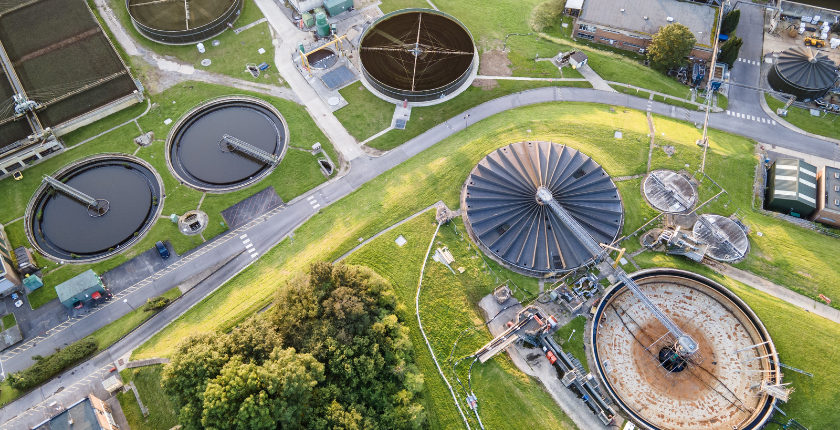
  • €12.2 billion for water infrastructure
  • €3.5 billion for energy projects

Investment will target:

  • Upgrades to major water and wastewater treatment plants
  • Flood resilience and climate adaptation initiatives.
  • National grid upgrades, renewable energy expansion, and EV charging infrastructure.

These programmes will not only strengthen Ireland’s resilience and sustainability, but they will also create long-lasting opportunities for skilled technical professionals.

Irish Hospital

A Surge In Social Infrastructure: Hospitals, Schools & Community Buildings

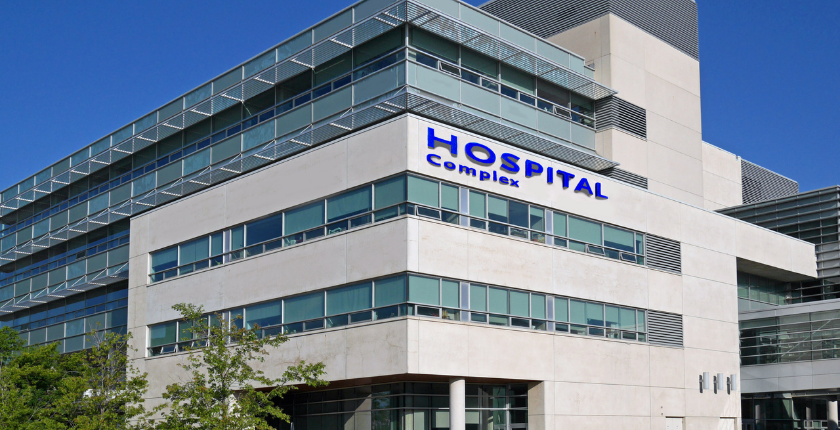
Ireland is also entering a major phase of large-scale investment in social infrastructure. Billions of euros are being channelled into new hospitals, school expansions, and university facilities.

Why Skills Demand Is Surging

As all these projects move through planning into delivery, demand for experienced professionals is rising sharply. Ireland’s planning and delivery systems are already stretched, and with so many projects launching in parallel, skills shortages are becoming one of the biggest risks to project timelines.

This is creating:

  • Upward pressure on salaries
  • Faster progression opportunities
  • More flexible working arrangements
  • Intense competition among employers for top talent

Professionals with the experience to move complex programmes forward, including engineers, planners, commercial teams, project managers, and technical specialists, are becoming essential to unlocking Ireland’s infrastructure ambitions

Engineering Jobs

The Roles Most In Demand

Ireland will need a strong pipeline of skilled professionals across:

The government is clear that home-grown talent will be prioritised where possible. There is a strong focus on encouraging Irish professionals living abroad to return home, particularly those who left during periods of limited infrastructure work. Apprenticeships and early-career routes are also being expanded.

These roles are expected to surge over the next 12 months as new phases of major projects begin.

What This Means for Your Career

Ireland’s infrastructure boom offers:

  • Career-defining major project experience
  • Highly competitive salaries for in-demand skill sets
  • Opportunities for rapid progression
  • Long-term project pipelines offering stability.
  • Relocation or hybrid options for international candidates
  • Greater choice due to employer competition
  • Inflated salaries based on the demand in a skills shortage.

For professionals in transport, construction, engineering, telecoms, water, energy, or utilities, the next five years could reshape your entire career trajectory.

Ready to Explore Opportunities?

The demand for skilled infrastructure professionals in Ireland is only going to grow. Those who position themselves early will gain access to the best roles, the most exciting projects, and the strongest career pathways.

We can support you with:

  • Access to exclusive project opportunities
  • Market insights and salary benchmarking
  • Guidance on relocation and industry expectations
  • Introductions to leading employers across Ireland
Irish Rail

Our Track Record in Ireland

Advance TRS has been supporting major infrastructure, rail and engineering clients across Northern Ireland and ROI for nearly seven years now. Delivering professional resources into major multidisciplinary programmes throughout Ireland.

Within Ireland, we have given support to a range of major rail and transportation infrastructure, where we have supplied assured, compliant and experienced professionals across disciplines, examples of this include:

  • Grand Central Station, Belfast: The biggest transport interchange ever built in Northern Ireland. Advance TRS worked with all major clients on this project, supplying all levels of project staff. This includes senior engineers, project management, construction management, civil engineers, CEMs, CREs and specialist project staff.
  • Translink: Northern Ireland’s public transport operator.  A long-standing partnership delivering talent across multiple programmes throughout Belfast.
  • Multiple Tier one clients: Delivering extensive delivery across civils, permanent way, signalling, telecoms. As well as professional services planning, commercial and H&S throughout Northern Ireland.
  • Alstom (Cork): Advance TRS has supported Alstom in supplying specialist engineering and project professionals within signalling. Supporting rail systems and infrastructure programmes.

Our proven delivery and experience across rail, signalling, engineering, and major programme delivery positions Advance TRS as a trusted workforce partner. We deliver high-quality technical and professional resources, with particular strength within rail, signalling, civils and multidisciplinary programme delivery across Ireland.  

Register Your Interest

If you have the skills, and especially if you are Irish or considering relocating, now is the moment to register your interest. The opportunities are coming soon, the projects are fully funded, and the demand for talent is real. Ireland’s infrastructure boom is a chance to build your future. Register here.

Why Register With Us?

Working with a recruiter brings major advantages, and our support is completely free for candidates. With a specialist guiding you, you gain a competitive edge in the market, whether you are moving back to Ireland or relocating for new opportunities.

• Register for job alerts on our website so you’re first to see new roles as they go live.
Update your preferences with our specialist recruiters, keeping you top of mind when the right opportunity appears.
Access market insights, industry trends and hiring updates tailored to your sector.
Receive salary benchmarking, helping you understand your value in Ireland’s growing market.
Find the right culture fit, with guidance on teams, employers and working environments that match your goals.

Working with a recruiter gives you more than job leads; it gives you a partner who understands the Irish market, knows which organisations are hiring, advocates for you, and helps you make confident, informed decisions about your next chapter.

Sources:

Government publishes updated National Development Plan

Project & Programme Tracker

My Project Ireland

National Planning Framework (Ireland 2040)

National Development Plan

For decades, engineers and technical specialists have been highly sought after internationally, but the outflow of talent from Ireland accelerated dramatically after the 2008 recession, which impacted economies across the UK, Ireland and Northern Ireland.

When construction and infrastructure sectors collapsed, and major transport programmes were postponed, project pipelines stalled, and employment across the construction industry fell by half. As opportunities diminished, skilled workers were forced to look for roles overseas, just as global demand for engineering talent was rapidly increasing.

With attractive salary packages and long-term career opportunities available in Australia, Canada, the Middle East and the UK, many Irish workers went on to build successful careers overseas.

The effects of this migration are still evident today, with Ireland entering a major new phase of infrastructure investment. The workforce never fully returned to pre-2008 levels, and with billions now committed to national projects, the shortage of skilled professionals has become increasingly urgent.

Business man at airport

The Upcoming Infrastructure Boom Needs More People Than Ireland Currently Has

With long-term NDP funding secured, recruitment demand is accelerating across:

Transport: Rail, light rail, major road upgrades, active travel, and strategic transport corridors.

Water & Wastewater: Major upgrades, plant expansions, drainage schemes and regional water improvement programmes.

Energy & Renewables: Grid upgrades, offshore wind, transmission infrastructure and clean energy projects.

Construction & Housing: Housing delivery, public buildings, hospitals, education and urban development.

These projects require thousands of skilled professionals, including:

  • Civil, mechanical, structural & electrical engineers
  • Rail, Highways & Transport Planners
  • Water & Utilities Engineers
  • Digital Engineering / BIM Specialists
  • Quantity Surveyors & Cost Managers
  • Project and Programme Managers
  • Project Controls & Planning Professionals
  • Commercial Managers & Contract Managers
  • HSQE, Compliance & Assurance Specialists

Simply put: Ireland does not currently have enough homegrown talent to deliver what’s coming. This is why returning and international candidates will play a crucial role.

Engineers looking at plans

Why Now Is the Perfect Moment for Experienced Workers to Return

  • Long-term job security – With NDP funding approved for 2026–2035, Ireland offers stability rarely seen in infrastructure programmes.
  • Competitive salaries – Skill shortages mean strong earning potential across engineering and project delivery roles.
  • Seniority and leadership pathways – Candidates returning with global project experience are in high demand for:
    • Senior engineer roles
    • Project leadership
    • Commercial oversight
    • Programme delivery

Their international exposure is now considered a competitive advantage.

The Chance To Help Shape Ireland’s Future

This isn’t just another job, it’s an opportunity to contribute to transport, water, housing and energy systems that will define Ireland for the next century.

House move - moving boxes

What Returning Candidates Need To Know

If you’re considering the move, keep this in mind:

Right to Work

Housing

Ireland faces a housing shortage, especially in major cities, which is pushing up the price of buying or renting.
But many major infrastructure projects are regional, offering more affordable living options.

Certifications

UK and international qualifications are widely recognised in Ireland. Ensure you have digital and physical copies of your certificates.

Salary Benchmarking

Returning candidates often underestimate current Irish market salaries; it’s a growth market with strong competition.

Busisnesmen shaking hands

How Advanced TRS Supports Skilled Workers Returning or Looking To Relocate To Ireland

Whether you’re curious about opportunities or ready to relocate, Advance TRS provides:

  • Early access to project pipelines and upcoming vacancies: We work closely with employers preparing for Ireland’s next decade of growth.
  • Salary benchmarking & market insights: So you understand where your experience sits in the Irish market.
  • Job matching based on lifestyle and location preferences: Especially important with housing constraints.
  • Interview, CV and transition support: Particularly valuable if you’ve been working outside Ireland for several years.
  • Completely free candidate services

Ireland’s Boom Needs Talent, And You Could Be Part of It

Ireland’s infrastructure future is bright, but only if the right talent returns to build it.

For engineers, project managers and specialists abroad, the next decade presents a rare combination of:

  • Career-defining projects
  • Strong demand for your experience
  • Long-term stability
  • National impact

This is a moment of opportunity, and we’re here to help you seize it.

Interested in working on Ireland’s major rail and infrastructure projects?

Register your interest early to stay ahead of the market and be first to know when roles go live. With demand increasing and opportunities moving quickly, early conversations make all the difference. Registering interest doesn’t commit you to a move, it simply keeps you informed and ahead of demand.

To view our latest jobs in Ireland, click here or have a chat with our team.